
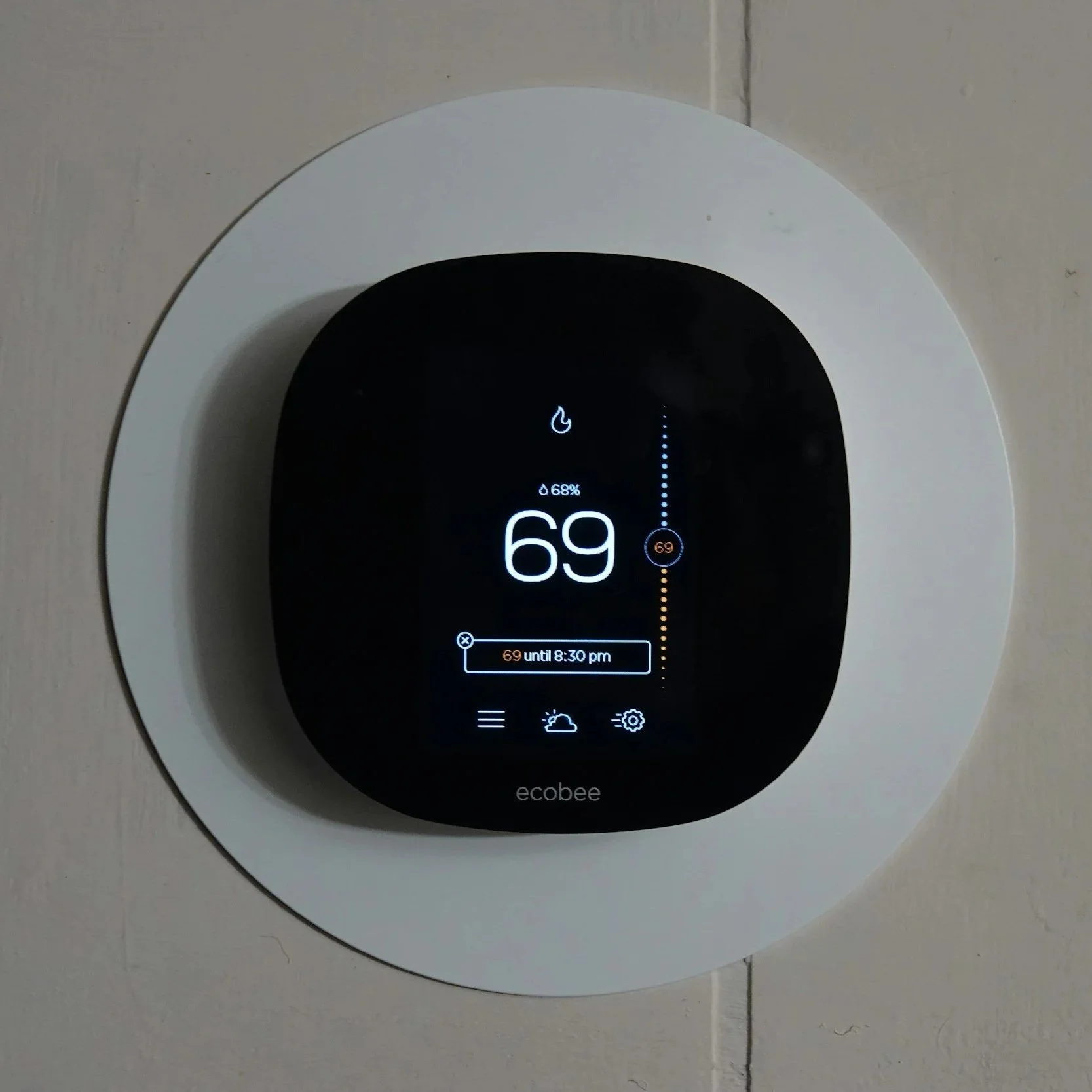
Professional installation of timer controls solves that problem by providing automatic on-and-off schedules personalized for each room.
Timer controls for lighting and devices help homeowners save energy without lifting a finger. Many people walk out the door confident that they turned off every light, only to return later and discover that the laundry room, hallway, or porch light still shines brightly. Homes waste a surprising amount of electricity through forgetfulness alone. Professional installation of timer controls solves that problem by providing automatic on-and-off schedules personalized for each room. Lighting turns on when needed, shuts off when not, and helps the home operate far more efficiently.
A professionally installed timer control system improves comfort while lowering energy costs. Homeowners enjoy predictable lighting patterns, safer walkways, and a more organized home environment. A licensed electrician programs timers to match the homeowner's routine so lights follow the day naturally. Nobody has to remember flipping switches or unplugging devices. The automation reduces stress while producing consistent savings.
Timer controls for lighting and devices also help support the lifespan of bulbs, fixtures, and electronics. Lights that stay on for hours waste electricity and wear out faster. Timers protect equipment by reducing unnecessary runtime. That means fewer bulb replacements, fewer overheated devices, and a more efficient electrical system overall.
How Timer Controls Work In Modern Homes
Timer controls operate as small but powerful scheduling devices that manage lighting and electronics throughout the home. Electricians install timers in place of standard switches or integrate them inside the electrical panel, depending on the homeowner's preferences. Once programmed, the timer handles everything automatically. A room glows when needed and goes dark when activity stops.
Some timers activate on set schedules. Exterior lights can turn on at sunset and switch off after bedtime. Interior lights can support morning routines by brightening gradually as families begin their day. Other timers use countdown functions so lights turn off after a set period. Laundry rooms, garages, guest spaces, and closets often benefit from countdown timers that turn off lights after a set amount of time.
Professionals also install advanced timer controls that use astronomical settings. Astronomical timers follow sunrise and sunset regardless of seasonal changes. Homeowners enjoy dependable lighting without having to adjust schedules throughout the year. The system updates automatically, so the lights activate at the right moment each evening.
Why Timer Controls Improve Home Safety
Timer controls do more than save electricity. They strengthen home safety by supporting predictable lighting patterns. Outdoor paths, driveways, staircases, and entryways remain well-lit at appropriate times. A well-lit exterior helps people navigate safely when arriving home after dark.
Interior timers support late-night movement and early morning routines. Timers can activate hallway or bathroom lights at low levels to help family members move around safely without stumbling in the dark. Parents love timer-controlled lighting that guides children during nighttime bathroom trips.
Timers also help with home security by mimicking normal activity when homeowners are away. A professionally installed timer system creates lighting patterns that resemble a lived-in home. Porch lights, living room lights, and bedroom lights cycle at natural intervals. The home appears occupied even when the family is away. Burglars prefer easy targets, and lighting that varies naturally sends a clear message that someone might be inside.
Supporting Energy-Efficient Lighting With Timers
Lighting accounts for a large portion of home energy use. Many families upgrade to LED bulbs, yet still waste significant electricity by leaving lights on unintentionally. Timer Controls for Lighting and Devices address the human-error problem. Homes grow more efficient because lights operate only when needed.
Timers also help homeowners adopt energy-saving habits without constant reminders. Once the settings are programmed, the timer handles lighting automatically. A home quickly becomes more energy-conscious without requiring the homeowner to think about light switches throughout the day.
Professionals often integrate timers with dimmable lighting as well. Lights can operate at reduced brightness during nighttime hours, which saves even more energy. Dimming schedules help families ease into their morning routines or wind down peacefully in the evenings.
How Timer Controls Support Outdoor Lighting
Outdoor areas benefit tremendously from timer controls. Garden, porch, driveway, and backyard lighting fixtures often stay lit for hours when nobody is using the space. Timer Controls for Lighting and Devices reduce the waste by activating lights only during key hours.
Professionals often install timers on landscape lighting systems to highlight walkways, garden beds, and outdoor living spaces during specific times. Homeowners enjoy beautiful nighttime lighting without the frustration of seeing it shine long after everyone has gone inside.
Security lighting also benefits from timers. Exterior floodlights can activate during early evening hours and deactivate after bedtime, while motion sensors handle late-night coverage. Homes remain protected without wasting electricity.
Saving Money Through Smart Scheduling
Timer controls play an important role in reducing electrical costs. Lights and devices that operate on predictable schedules consume significantly less power. Homeowners often notice decreased utility bills within the first month.
Some households use timers to manage appliances that draw standby power. Even devices that seem harmless continue pulling electricity when not in use. Timers disconnect power automatically, so slow energy drains vanish.
A professional electrician helps homeowners identify which devices would benefit from timer controls. Fans, heated towel racks, accent lights, aquarium pumps, seasonal décor, and small appliances each become more energy efficient with proper scheduling.
Creating A Comfortable Daily Routine With Lighting Automation
Timers help families stay organized by managing lighting that supports morning and evening routines. Lights can welcome family members into key areas at predictable times. Kitchens brighten in the morning to support breakfast preparation. Living rooms remain softly lit during evening wind-down hours. Bedrooms may use timers to create relaxing nighttime lighting that supports healthy sleep habits.
Busy families appreciate lighting that follows the day with consistency. Children find comfort in predictable nighttime lighting that shuts off gradually. Adults appreciate well-timed lights that guide them through morning routines without fumbling for switches.
Timer controls also help regulate temperature by supporting ventilation fans. Bathroom fans can automatically activate during showers and shut off afterward. The timer prevents moisture buildup without letting fans run endlessly. Laundry room fans and attic fans also benefit from timed cycles to manage airflow efficiently.
Why Professional Installation Makes A Difference
Timer controls require careful wiring and proper rating to avoid electrical issues. Hiring a professional electrician guarantees that each timer matches the load requirements of the fixtures it controls. Electricians evaluate wiring conditions, panel capacity, and circuit behavior before installing the timer.
Some homes benefit from panel-mounted timer systems that control whole circuits. Others need wall timers tailored to individual rooms. Electricians determine which approach works best based on the home's age, electrical layout, and the homeowner's goals.
Professional installation also helps calibrate timers correctly. Settings must match the household's rhythms and the requirements of each space. Electricians adjust timer intervals, astronomical settings, dimming levels, and activation patterns. Homeowners enjoy an optimized system that simplifies daily routines.
Timer Controls And Sustainability Goals
Sustainability becomes easier when the home supports automatic operation. Timers reduce wasted electricity and minimize carbon output. Homeowners who want a greener lifestyle appreciate lighting that shuts off consistently without relying on memory.
Communities become more energy efficient when more homes adopt automated lighting. The savings scale naturally across neighborhoods as families reduce their energy footprint. Summertime peak demand drops when timers help control lighting and reduce unnecessary usage.
Timer controls also help support smart grid initiatives. Homes that automate lighting schedules often place less strain on the electrical system during peak hours. That leads to steadier energy distribution and reduced utility pressures.
Integrating Timers With Smart Home Technology
Modern homes rely heavily on smart devices. Timer controls for lighting and devices pair well with voice assistants, smart hubs, and remote access systems. Electricians can integrate timers with existing smart lighting so homeowners can adjust settings from their phone or smart speaker.
Integrated systems allow homeowners to modify schedules from anywhere. Someone who forgets to adjust lighting before leaving for vacation can update schedules remotely. Timer controls blend seamlessly with occupancy sensors, smart switches, and automated shades for a cohesive system.
Professionals help homeowners avoid compatibility problems by selecting timers that work with their smart devices. Electricians also program timers so that lighting and appliances respond at the right times without creating conflicting commands.
How Timers Improve Seasonal Convenience
Seasonal routines shift throughout the year, and timer controls help manage lighting smoothly during each transition. Winter months bring early sunsets, leaving walkways dark long before families return home. Timers activate outdoor lighting automatically at the correct time, providing safety and visibility.
Summer routines often stretch into the evening. Outdoor timers activate patio lights, grill lighting, and garden accents so families enjoy their yard without searching blindly for switches. Winter holiday lighting becomes easier as well. Timers can manage decorative lights on predictable schedules, saving electricity without removing festive charm.
Timers prevent seasonal surprises, such as arriving home to find the front of the house glowing at full brightness due to missed switch changes. Homes stay comfortable and predictable no matter the daylight pattern.
Why Timers Help Prevent Wear And Tear On Devices
Lights and devices last longer when they operate fewer hours. Timers extend the lifespan of bulbs, fixtures, fans, and electronics. Overworked devices overheat and deteriorate quickly. Timers reduce unnecessary operation, so equipment stays cooler and more efficient.
Timers help prevent forgotten devices from running long past their intended use. Heated towel racks, space heaters, fans, and accent lights often stay on unintentionally. Timer controls eliminate these long cycles that quietly strain equipment.
Electricians help homeowners choose timers that support the wattage and voltage of each device. Proper installation protects equipment and maintains safe operation.
FAQs About Timer Controls For Lighting And Devices
How do timer controls save money?
Timers stop lights and devices from running unnecessarily, which lowers utility bills and reduces energy waste.
Where are timers most useful in a home?
Garages, bathrooms, outdoor areas, closets, laundry rooms, hallways, and kitchens benefit greatly from timer-controlled lighting.
Can timers work with smart home systems?
Yes. Many timers integrate smoothly with smart home hubs and can be adjusted through phones or voice assistants.
Do timers work during power outages?
Timers resume their programmed schedules once power returns. Some models contain batteries that preserve settings.
Can a timer control heavy-duty appliances?
Some timers can, but a professional must match the timer to the appliance load. Electricians help select the appropriate model.
The Plug Electrical Services is a family-owned business with 18 years of experience. We have a team of licensed electricians for providing electrical panel upgrades, pool & spa wiring, EV charging station installation, outlet & switch installation, and home lighting solutions to homeowners in Odem, TX, and surrounding areas. We take pride in providing upfront estimates and ensuring clean communication. Call now to schedule a service.
