
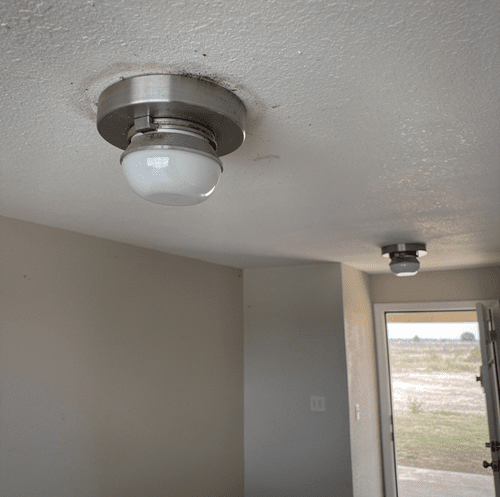
Quick Answer: Flickering or dimming lights range from harmless to a warning sign. Minor causes include a loose or incompatible bulb, or a bulb not fully seated. A common, usually normal cause is a brief dip when a large appliance like an AC starts, drawing a surge of current. More concerning causes are an overloaded circuit, loose or faulty wiring connections, a problem at the panel, or even an issue with the service or utility. Flickering confined to one fixture is often that fixture or bulb; flickering throughout the house, or worsening dimming, points to a larger electrical issue. Persistent or whole-house flickering, especially with warmth or burning smells, should be checked, since loose connections can be a fire hazard.
A flickering light can be a minor annoyance or the first warning of an electrical problem — and telling the two apart is what matters. Sometimes it's just a loose bulb. Other times, it's pointing at wiring or panel issues that deserve a closer look. Get to know the common causes, and which ones are concerning, and you can decide whether to tighten a bulb yourself or have an electrician take a look.
Start With the Simple Causes
More often than not, flickering has a simple, harmless explanation, so start there. A loose bulb that isn't seated all the way in its socket can flicker, and tightening it may fix it. An incompatible bulb — say, certain LEDs paired with a dimmer they aren't rated for — can flicker or buzz. And a worn or failing bulb near the end of its life flickers too. So before you assume the worst, check whether the flickering stays with a single bulb or fixture, because that usually points right at the bulb. Reseating it, replacing a worn one, or switching to a compatible bulb can resolve many single-light flickers.
A Common, Usually Normal Cause
One frequent reason lights dim is a big appliance starting up. When an air conditioner, dryer, or other large motor-driven appliance kicks on, it pulls a big surge of current that briefly drops the voltage and dips the lights. A slight, quick dim the moment a large appliance starts is generally normal — that's just the system handling the startup surge. As long as it's subtle, brief, and only happens when a big appliance cycles on, it's usually nothing to worry about. What's worth a second look is dimming that's dramatic, won't quit, or shows up for no clear reason.
| What you notice | Likely cause |
|---|---|
| One bulb/fixture flickers | Loose, worn, or incompatible bulb |
| Brief dim when AC/dryer starts | Normal startup surge (if slight) |
| Whole-house flickering | Possible panel or service issue |
| Worsening or dramatic dimming | Overload or wiring problem |
| Flicker with warmth/buzzing/burning smell | Loose connection — urgent |
The More Concerning Causes
Once flickering or dimming goes beyond a single bulb or a brief startup dip, the causes become more concerning. An overloaded circuit can dim the lights when too much power is being drawn at once. Loose or faulty wiring connections — at outlets, switches, fixtures, or the panel — can cause flickering, and they're a real worry, because a loose connection builds resistance and heat, which is a fire hazard. A problem at the panel, or even with the service coming in from the utility, can flicker the whole house. So flickering that hits several fixtures or the whole house, or that keeps getting worse, points away from a simple bulb and toward wiring, panel, or service problems that need diagnosing.
How to Tell Harmless From Serious
The pattern is what helps you judge. Flickering stuck to one bulb or fixture is usually that bulb or fixture — often a simple fix. A brief, slight dim only when a big appliance starts is usually normal. But flickering or dimming that hits several fixtures or the whole house, that's dramatic or worsening, or that comes with warm outlets or switches, buzzing, or a burning smell, points to a more serious electrical issue and should be checked. The whole-house, worsening, or symptom-paired flickering is the kind that warrants attention because it can involve loose connections or overloads, posing a fire risk. So notice whether it's local or widespread, and whether anything else comes along with it — that tells you which situation you're dealing with.
If flickering or dimming comes with warm or discolored outlets or switch plates, buzzing or crackling sounds, or a burning smell, treat it as urgent. These can indicate a loose connection or overload that's overheating — a fire hazard. Stop using the affected circuit and have an electrician inspect it promptly rather than waiting to see if it worsens.
When to Call an Electrician
For a single flickering bulb, try seating or replacing it with a compatible bulb first. But if flickering or dimming is widespread, won't quit, keeps worsening, or comes with any sign of heat or burning, it's worth having an electrician diagnose it. Whole-house flickering and the more serious causes — overloaded circuits, loose or faulty wiring, panel problems, or service issues — need proper diagnosis, and some carry fire risk. An electrician can tell whether it's an overload to redistribute, a connection to repair, a panel issue, or a service problem, and fix it safely. Because flickering can be an early sign of a wiring problem, getting persistent or whole-house flickering checked protects your home.
Frequently Asked Questions
Causes range from harmless to serious. A loose, worn, or incompatible bulb can flicker — often an easy fix. A brief dim when a large appliance starts is usually normal. More concerning causes include an overloaded circuit, loose or faulty wiring connections, a panel problem, or a service issue. Flickering in one fixture is often the bulb; whole-house flickering points to a larger electrical issue worth checking.
A slight, brief dim at the moment a large appliance, like an AC, starts is generally normal — the appliance draws a surge of current that momentarily lowers voltage. As long as it's subtle, quick, and only happens at startup, it's usually not a problem. The concern is if the dimming is dramatic, persistent, worsening, or happening without a clear cause, which points to an issue.
Worry when flickering affects multiple fixtures or the whole house, is dramatic or worsening, or comes with warm outlets or switches, buzzing, or a burning smell. These point to more serious causes, such as overloaded circuits, loose wiring, panel problems, or service issues, some of which pose a fire risk. Widespread, worsening, or symptom-accompanied flickering should be checked by an electrician.
They can, when the cause is a loose or faulty wiring connection. Loose connections create resistance and heat, which is a fire hazard, and flickering can be a symptom. This is why flickering with warm outlets or switches, buzzing, or a burning smell should be treated as urgent and checked promptly. Not all flickering is dangerous, but these signs indicate a potential hazard.
Flickering confined to one bulb or fixture usually points to that bulb or fixture — a loose bulb not fully seated, a worn bulb nearing the end of its life, or an incompatible bulb (such as certain LEDs on a dimmer). Seating or replacing the bulb with a compatible one resolves many single-light flickers. A localized flicker is generally less concerning than whole-house flickering.
For a single flickering bulb, try seating or replacing it first. But if flickering is widespread, persistent, worsening, or accompanied by heat or burning smells, call an electrician. The more serious causes — overloads, loose wiring, panel or service problems — need diagnosis, and some involve fire risk. Getting persistent or whole-house flickering checked protects your home, since it can be an early sign of a wiring problem.
Tell the Loose Bulb From the Real Warning
Flickering or dimming lights can be as simple as a loose bulb or a normal startup dip — or a warning of overloads, loose wiring, or panel problems. The pattern tells you which: one fixture usually means the bulb, while whole-house, worsening, or symptom-accompanied flickering points to a real electrical issue. Try the simple fixes for a single light, but have widespread or persistent flickering checked, since some causes are fire hazards worth catching early.
Lights flickering or dimming throughout the house? — Get the wiring, panel, and connections checked to find the cause. The Plug Electrical Services serves Corpus Christi, Odem, Portland. Call (361) 282-3058.
