
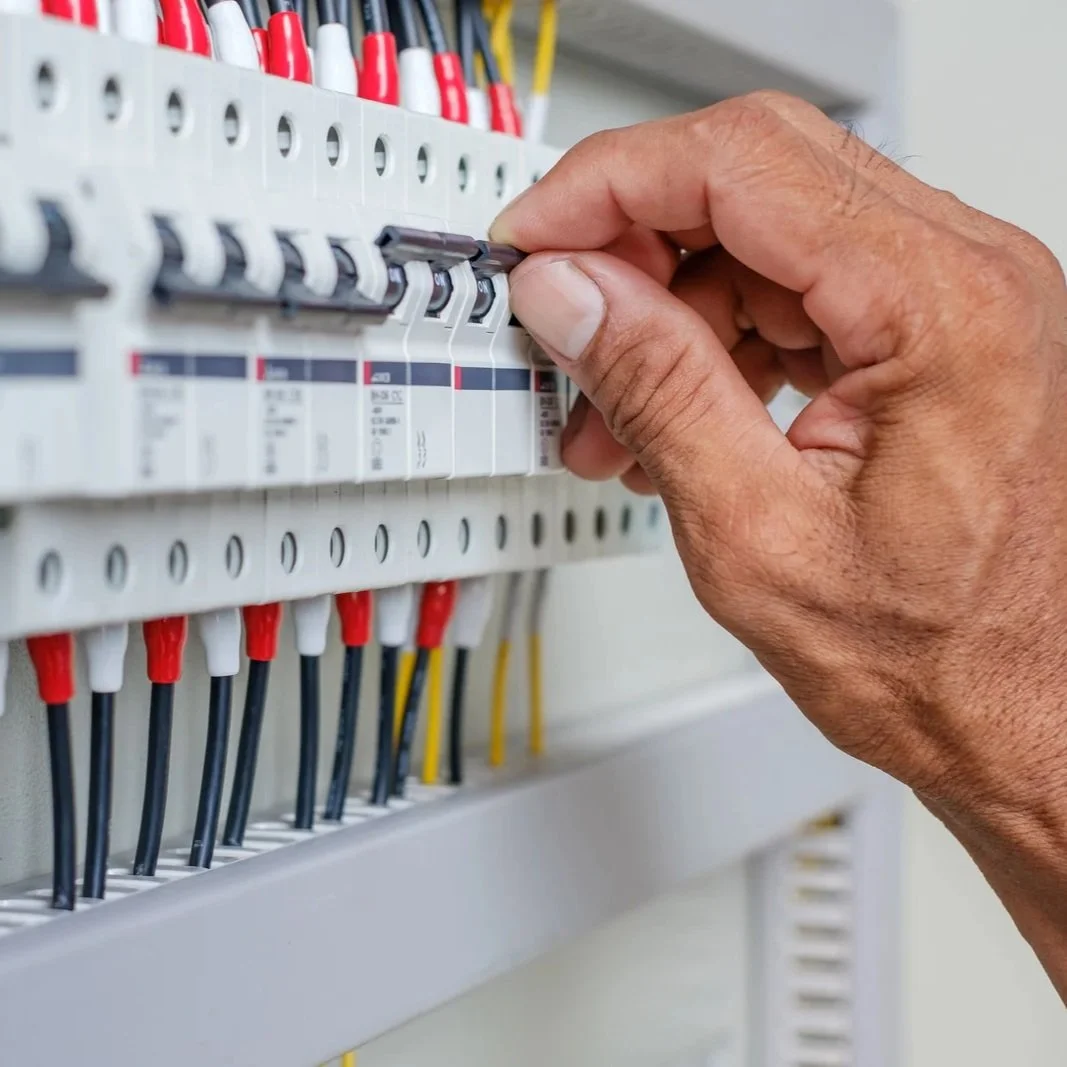
At the center of that intricate network lies one of the most important safety components ever invented: the circuit breaker.
A home’s electrical system is like its nervous system, quietly working in the background, responding to every switch, outlet, and appliance demand. At the center of that intricate network lies one of the most important safety components ever invented: the circuit breaker. When professionally installed and maintained, modern circuit breakers do more than protect wiring. They enhance safety, efficiency, and peace of mind. For any homeowner considering electrical repairs & upgrades, installing a circuit breaker is one of the smartest ways to modernize and secure their home.
The Real Job Of A Circuit Breaker
Circuit breakers don’t just stop the flow of electricity during trouble; they do it with precision timing to prevent hazards. When an electrical overload or short circuit occurs, a breaker detects the abnormal flow and cuts power instantly to prevent overheating, fires, or equipment damage. Think of it as a vigilant bodyguard standing watch over every electrical circuit in your home.
Modern circuit breakers take that role further. Advanced designs detect faults faster, isolate issues more accurately, and integrate with smart home systems for remote monitoring. Whether you’re running high-powered appliances, charging an EV, or living in a fully connected smart home, upgrading your circuit breakers helps your electrical system keep up safely and efficiently.
Why Modern Homes Need Smarter Breakers
Older electrical systems were built for a different era, one with fewer appliances, no charging stations, and no smart thermostats constantly communicating with Wi-Fi. Today’s homes demand far more from their wiring and protection systems. A professional circuit breaker installation confirms that your electrical system can handle these modern loads without overheating or tripping unnecessarily.
New circuit breakers also improve precision. Traditional breakers might trip under vague conditions, but modern units, especially those with arc-fault or ground-fault protection, are tuned to detect dangerous irregularities faster and more accurately. That means fewer false alarms and far greater protection for your family and property.
Signs That Circuit Breakers Are Ready For Retirement
A breaker panel doesn’t have a countdown timer to signal its retirement, but there are clear warning signs. If circuits trip frequently or if lights flicker when large appliances turn on, the system might be struggling to distribute power properly. Breakers that fail to reset, produce a burning odor, or feel warm to the touch signal an urgent need for professional inspection.
Another clue lies in the panel itself. Many older homes still use outdated brands or breaker models that are no longer rated for safe operation. Corroded wiring, brittle insulation, or rust inside the box can indicate more serious issues beneath the surface. Professional electricians performing electrical repairs & upgrades evaluate these signs, test load capacity, and determine whether full or partial replacement is needed.
The Professional Process Of Circuit Breaker Installation
Installing or upgrading circuit breakers is not a plug-and-play project; it’s a precise procedure that demands training, permits, and strict adherence to electrical codes. Electricians start by assessing the existing electrical panel, determining the service line capacity, and calculating the total household load.
If the home’s demand exceeds the current panel rating, a professional might recommend upgrading the main panel along with new circuit breakers. Each breaker must match the wiring gauge, circuit load, and equipment type it protects. Electricians secure every connection, verify grounding, and test the system before restoring power.
Smart breaker installations often include coordination with other upgrades, such as surge protection devices or whole-home energy monitors. Once installed, each circuit is clearly labeled, making troubleshooting and maintenance far simpler in the future.
The Safety Science Behind Circuit Breakers
Electrical safety is not just about flipping a switch; it’s about anticipating failure before it becomes dangerous. Breakers use magnetic and thermal mechanisms to detect when current exceeds safe levels. The magnetic trip reacts instantly to short circuits, while the thermal element responds to prolonged overloads.
Modern breakers also offer advanced protection features. Ground Fault Circuit Interrupters (GFCIs) detect current leaks and stop power before anyone experiences a shock. Arc Fault Circuit Interrupters (AFCIs) sense irregular electrical arcs, those tiny sparks that can smolder behind walls, and cut power instantly. Combined, these devices dramatically reduce the risk of electrical fires and electrocution in residential spaces.
Energy Efficiency Meets Electrical Safety
One often overlooked advantage of modern circuit breaker installation is improved energy efficiency. Old breakers can degrade over time, losing their ability to maintain a steady electrical flow. That instability causes voltage fluctuations that waste energy and wear out appliances faster.
New circuit breakers distribute power more evenly, minimizing surges and spikes that force devices to work harder. Electricians who specialize in electrical repairs & upgrades can also integrate smart monitoring systems that track energy consumption in real time. You can identify high-demand areas, adjust usage habits, and potentially lower utility costs, all while enjoying a safer electrical system.
The Smart Home Connection
As homes become increasingly connected, circuit breaker technology has evolved to match. Smart breakers can communicate with home automation systems, allowing homeowners to monitor and control circuits remotely. You can check which circuits are active, track energy use, and even receive alerts about potential overloads straight from your phone.
Professionals trained in modern electrical repairs & upgrades can install these smart systems seamlessly. They integrate breaker technology with existing smart hubs, creating a unified system that blends safety, efficiency, and control. It’s a modern take on home management, power protection that keeps you informed and in charge.
Common Mistakes Homeowners Make With Breaker Panels
DIY electrical work often leads to dangerous mistakes. Some homeowners attempt to replace breakers themselves, unaware that even a minor mismatch in amperage or wiring can cause serious damage. Installing a breaker that’s too large for a circuit can allow excessive current to flow, overheating the wires without tripping the breaker. Installing one that’s too small causes unnecessary trips and energy inefficiency.
Another common issue involves overloading the panel with too many circuits or using tandem breakers in spaces not designed for them. Professionals know how to calculate safe load limits and identify compatible breaker types. They also inspect grounding and bonding to confirm the system is stable. Every detail matters when dealing with high-voltage components.
The Hidden Dangers Of Outdated Panels
Many homes still operate with panels installed 30, 40, or even 50 years ago. Some older models from discontinued manufacturers have been linked to safety hazards because their breakers fail to trip properly under overload conditions. These legacy panels may look functional, but can quietly increase fire risk over time.
Professional electricians recognize these obsolete panels at a glance. When performing electrical repairs & upgrades, they often recommend full replacement rather than partial fixes. A new, code-compliant breaker panel not only enhances safety but also restores confidence in your home’s electrical infrastructure.
Planning For Expansion And Future Power Needs
Electrical demands rarely shrink. As homeowners add EV chargers, induction cooktops, or outdoor entertainment systems, the capacity of circuit breakers becomes critical. Installing new breakers or upgrading to a modern panel gives your home the flexibility to grow without compromising safety.
Electricians performing professional installations often leave room for expansion by including extra breaker slots and higher service ratings. That forward-thinking design prevents the need for frequent upgrades later and makes it easier to integrate new technology. Future-ready electrical systems make modern living smoother, safer, and far more adaptable.
The Role Of Surge Protection
Circuit breakers handle overloads and short circuits, but they aren’t designed to stop power surges caused by lightning or utility fluctuations. Integrating whole-home surge protection during circuit breaker installation provides an additional layer of defense for sensitive electronics.
Professionals can mount surge protectors directly inside or near the panel and connect them to the main power supply. When a surge occurs, the protector redirects excess energy safely away from your home’s wiring. The combination of modern breakers and surge protection creates a complete defense system for both safety and equipment longevity.
Testing, Maintenance, And Professional Care
Even the best electrical systems need periodic checkups. Electricians recommend professional inspections every few years, especially in older homes or properties that have undergone major renovations. Routine testing confirms that breakers respond correctly under stress, connections remain tight, and wiring insulation hasn’t degraded.
Professionals performing electrical repairs & upgrades often use infrared cameras and load analyzers to detect hidden heat spots or imbalance issues before they escalate. Preventive maintenance like this helps maintain system stability and extends the lifespan of the entire electrical setup.
Peace Of Mind Through Professional Installation
A properly installed circuit breaker system is about more than functionality; it’s about confidence. Every time you flip a light switch, power up your computer, or charge your vehicle, you rely on those small switches in your panel to protect you. Professional installation verifies that each component operates at peak performance and is in compliance with current codes and safety standards.
Electricians don’t just install equipment; they design balanced systems that support your home’s unique power demands. They test, label, document, and verify every circuit before calling the job complete. That level of attention transforms your electrical panel from a mysterious box of switches into a precisely engineered safety hub.
The Long-Term Value Of Electrical Upgrades
Electrical repairs & upgrades are among the most valuable investments you can make in your property. Modern circuit breaker installation adds measurable value by improving safety, reliability, and energy efficiency. Buyers and homeowners alike appreciate knowing their system is equipped to handle modern living with confidence.
A new breaker panel also reduces maintenance costs over time. Instead of chasing down frequent trips or replacing burned-out equipment, you enjoy a steady, reliable power flow. That reliability protects your home’s electronics, reduces downtime, and provides peace of mind for years to come.
Safer Homes, Smarter Power
Circuit breakers may not be glamorous, but they’re the quiet heroes of electrical safety. Modern installations combine precision engineering, digital intelligence, and professional craftsmanship to keep homes running smoothly. Whether you’re upgrading an older panel or installing smart breaker systems as part of a larger renovation, professional service makes all the difference.
Every flip of the switch should come with confidence, not concern. With expert installation, advanced technology, and proper maintenance, your electrical system stays safe, efficient, and ready for whatever the modern world plugs in next. That’s what breaking good is all about: power that works smarter, safer, and perfectly in sync with your life.
The Plug Electrical Services offers affordable and reliable residential electrical repair, electrical remodeling, circuit breakers, electrical panel installations, and electrical panel repair solutions in Odem, TX. Count on our licensed electricians to handle every project with precision and care. Call us today!
