
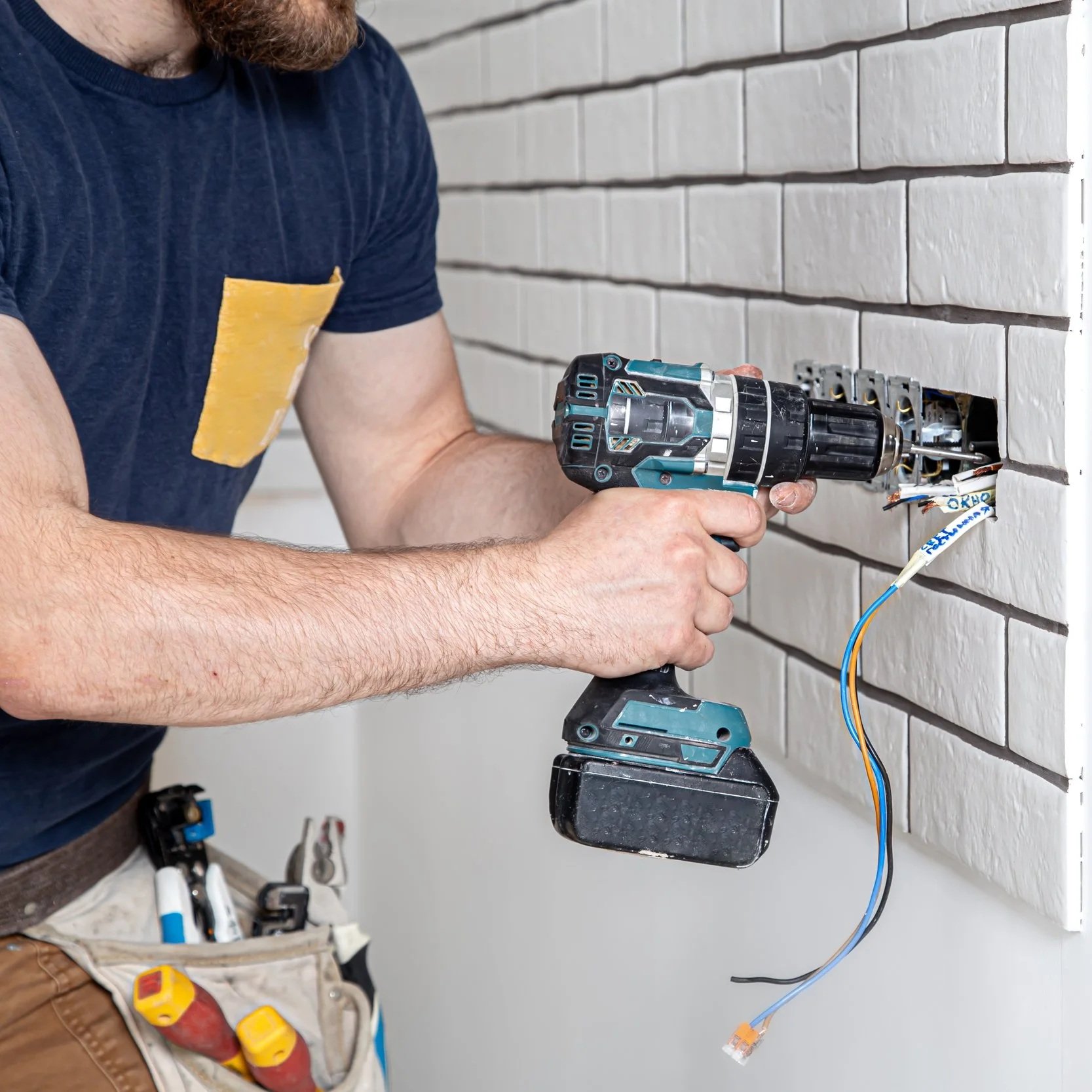
When major appliances share the same circuit, that electrical stress builds up fast.
Electrical systems have personalities. Some are calm, balanced, and well-behaved. Others are overworked, moody, and prone to flipping breakers at the worst possible time. When major appliances share the same circuit, that electrical stress builds up fast. Refrigerators compete with microwaves, air conditioners fight with dryers, and your panel feels like it is refereeing an endless power struggle. A professionally dedicated circuit installation solves that chaos. It gives each heavy-duty appliance its own lane, preventing overloads, improving performance, and extending lifespan. For anyone exploring electrical repairs & upgrades, separating power-hungry equipment into dedicated circuits is one of the most effective ways to bring order to electrical mayhem.
What Dedicated Circuits Actually Do
A dedicated circuit is a private electrical line that powers one specific appliance or system, connected directly from the main electrical panel. It does not share its energy with anything else, so all the power on that circuit flows exclusively to the device it serves. Large appliances such as HVAC units, refrigerators, washers, dryers, and microwaves require dedicated circuits due to their high power draw.
Electricians design these circuits based on the amperage requirements of each appliance. That customization prevents tripped breakers, power fluctuations, and overheating, issues that are not just inconvenient but potentially hazardous. Professionally installed dedicated circuits maintain electrical balance throughout the home, keeping energy flow steady and equipment protected.
Why Sharing Circuits Spells Trouble
When multiple appliances share the same circuit, they compete for current. Every time one device turns on, it affects the others. You might notice lights dimming when the air conditioner starts or your microwave cutting out when the dryer runs. That is your electrical system waving a white flag.
Shared circuits can cause frequent breaker trips, voltage drops, and premature wear on connected equipment. For example, HVAC systems require a stable voltage to operate efficiently. If their circuit shares power with other devices, the fluctuations can cause motors and compressors to work harder, reducing their lifespan and increasing energy costs. Refrigerators and freezers are also sensitive to voltage fluctuations, and power inconsistencies can disrupt cooling cycles, leading to wasted energy and spoiled food.
The Professional Advantage Of Dedicated Circuit Installation
Dedicated circuit installation is not just about adding more wires; it is a tailored process that starts with a detailed power assessment. Professional electricians evaluate your home’s layout, panel capacity, and appliance demands to design a balanced distribution system.
Every new circuit is carefully sized for its load, using the correct wire gauge and breaker rating to handle the specific current draw. Grounding and bonding are verified for safety, and electricians follow code requirements that specify which appliances must have dedicated circuits. Common examples include HVAC systems, water heaters, ovens, washers, dryers, and sump pumps.
When performed by professionals, electrical repairs & upgrades like these bring precision and peace of mind. There is no guessing which appliance tripped the breaker, no overworked circuits gasping for relief, and no surprises when you turn everything on at once.
The Hidden Safety Benefits
Dedicated circuits do more than improve performance; they reduce fire risk. Overloaded circuits can overheat wiring, especially behind walls where damage goes unseen. A professional installation eliminates that risk by assigning appropriate capacity to each circuit and installing breakers that respond correctly under stress.
Electricians also verify that each appliance has the right type of breaker. HVAC systems, for instance, may require double-pole breakers to handle higher voltage, while kitchen and laundry appliances may use single-pole configurations. A properly configured system prevents arcing, short circuits, and accidental power surges that could damage expensive equipment.
When Safety Meets Efficiency
Power distribution is all about balance. A properly configured system ensures every appliance runs at its designed voltage, preventing wasted energy. When circuits are overloaded, voltage drops can cause motors to run inefficiently, drawing more current than necessary. That inefficiency translates into higher utility bills and faster component wear.
Dedicated circuits keep current stable, which means appliances perform better and last longer. HVAC systems cool more consistently, refrigerators maintain even temperatures, and dryers complete cycles faster. You save energy, extend the life of your appliances, and avoid the domino effect of repairs caused by electrical strain.
The HVAC Connection
Heating and cooling systems depend heavily on dedicated circuits. HVAC units draw significant power during startup and sustained operation. Without a dedicated circuit, that sudden demand can rob power from nearby outlets, lights, or other appliances, causing flickering and tripped breakers.
Professional electricians calculate load requirements for the entire HVAC system, including compressors, blowers, and thermostats, before installing the proper circuit. They also verify grounding and install disconnects for safe maintenance access. The result is smoother operation, reduced energy waste, and fewer system malfunctions caused by unstable voltage.
Kitchen Command Centers
Kitchens are notorious for power overloads because they pack so many high-demand appliances into one space. Ovens, dishwashers, microwaves, and refrigerators all need dedicated circuits. Even countertop appliances like coffee makers and toasters draw surprisingly high power.
When everything competes for the same line, circuits can overheat quickly. Professionals who specialize in electrical repairs & upgrades often recommend separate circuits not only for large appliances but also for convenience outlets along countertops. That separation supports safe, efficient cooking without breaker trips or dimming lights mid-meal.
Laundry Room Logistics
Laundry areas deserve the same attention. Washers and dryers draw substantial current, especially models with high-efficiency motors or electric heating elements. Running both on a shared circuit invites tripped breakers, overheated wires, and inconsistent performance.
Dedicated circuits allow these appliances to operate without interference, protecting wiring and improving drying times. It also prevents electrical interference with other parts of the home when both machines are running simultaneously. Professional installation guarantees proper wire sizing and breaker configuration for the specific load.
Basements, Garages, And Outdoor Spaces
Spaces like basements, workshops, and garages often hide electrical overloads because they evolve. A homeowner adds a freezer, then a power tool, then maybe an electric vehicle charger, and suddenly the old shared circuit is running on fumes.
Professionally installed dedicated circuits restore balance. Each tool, freezer, or charger receives its own reliable power supply, eliminating breaker trips and voltage drops. Electricians also design for future use, leaving capacity for additional outlets or upgraded equipment down the line.
Outdoor areas need the same attention. Pools, spas, and outdoor kitchens all require safe, separate circuits with proper grounding and weatherproof components. Dedicated lines prevent nuisance trips and protect equipment from moisture-related faults.
Signs Your Appliances Want Their Own Circuit
Appliances have a way of letting you know when they are unhappy. Frequent breaker trips, buzzing sounds, dimming lights, or burning odors near outlets are warning signs. Plugging in one appliance while another loses power means your circuits are crying out for help.
Another indicator is warm outlets or discolored plugs, which suggest that wires are handling more current than intended. Professional electricians can diagnose these symptoms and recommend where new dedicated circuits would make the most impact. They will also inspect the main electrical panel to confirm it has the capacity to support additional circuits.
When To Upgrade
Homes built decades ago were not designed to handle modern energy demands. A single circuit might once have powered a few lights and a small television. Today, that same line might support a refrigerator, microwave, coffee maker, and Wi-Fi router all at once.
Upgrading through professional electrical repairs & upgrades helps modernize your system safely. Electricians can replace outdated wiring, install higher-amperage breakers, and add subpanels if needed. Once the dedicated circuits are in place, power distribution becomes smooth, reliable, and ready for whatever the modern household requires.
The Long-Term Value Of Dedicated Circuits
Dedicated circuits are not just a short-term fix; they are an investment in home performance and safety. Appliances connected to their own circuits last longer because they experience fewer voltage fluctuations. That longevity saves money on repairs and replacements.
Professionally installed circuits also make future remodeling easier. Adding a home office, workshop, or EV charging station becomes simpler when the electrical system already includes room for expansion. Homebuyers often view dedicated circuits as a mark of quality because they demonstrate thoughtful power management and safety-conscious design.
Professional Precision In Electrical Repairs & Upgrades
Electricians approach dedicated circuit installation with meticulous planning. They map out your home’s power needs, identify overloaded circuits, and calculate amperage requirements for each appliance. Each new line is installed in accordance with code, with the proper breaker size and wire type for the load.
During installation, professionals verify connections, test grounding, and clearly label every new circuit. That labeling simplifies maintenance and makes troubleshooting painless if issues ever arise. The process might not be flashy, but it creates the foundation for a safer, more efficient home.
A Happier Home Starts With Balanced Power
Electricity behaves best when it has structure. Dedicated circuits keep your appliances powered consistently, prevent overloads, and reduce the risk of electrical fires. They also give your HVAC system the freedom to run efficiently without competing for energy.
Professional electricians bring expertise, code knowledge, and safety-first precision to every installation. Whether you are updating an older home or expanding a modern one, investing in dedicated circuits transforms how your electrical system performs. Power flows smoothly, appliances stay content, and your home runs with quiet confidence.
No more flickering lights or tripped breakers, just harmony between your appliances and the electrical system that keeps them running. That is what electrical repairs & upgrades are all about: building a safer, smarter, and more balanced home where every device has the space it deserves.
The Plug Electrical Services offers affordable and reliable residential electrical repair, electrical remodeling, circuit breakers, electrical panel installations, and electrical panel repair solutions in Odem, TX. Count on our licensed electricians to handle every project with precision and care. Call us today!
